Have you ever watched a cooking competition and found yourself rooting for a chef because they seemed calm, creative, and genuinely passionate about food? That’s the effect some culinary personalities have. They make cooking feel less like a performance and more like an expression of who they are.
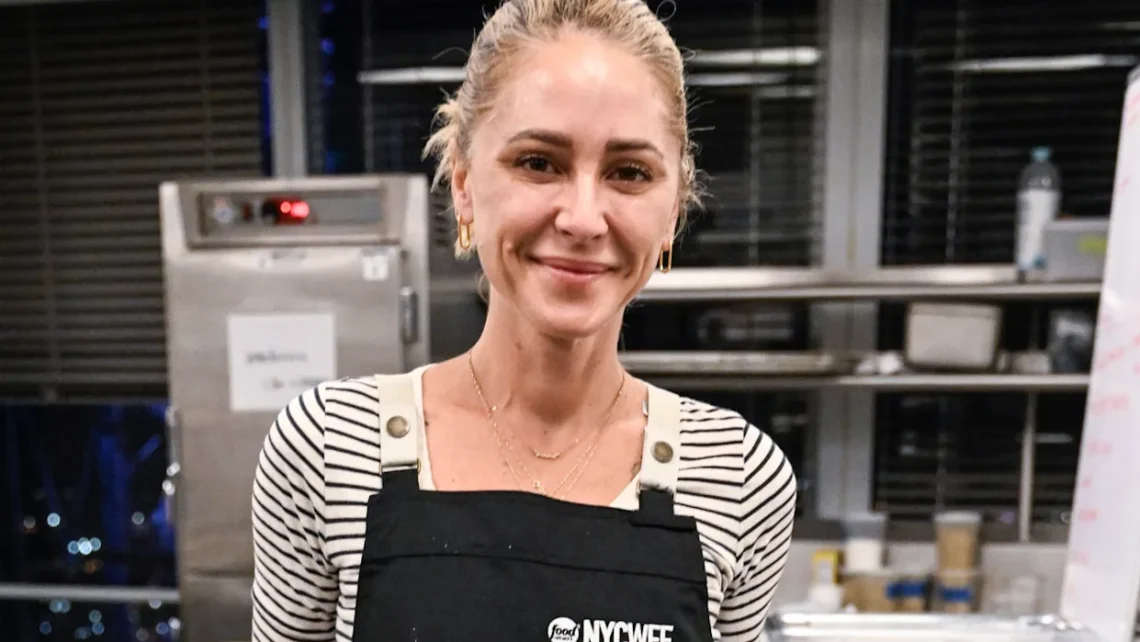
Few chefs embody that balance quite as naturally as Brooke Williamson. Over the years, she has grown from a promising young cook into a respected restaurateur, television personality, and mentor. Her journey hasn’t been built solely on awards or television appearances. Instead, it reflects years of dedication, adaptability, and a willingness to keep learning in an industry that rarely slows down.
For food enthusiasts, aspiring chefs, and even casual viewers who enjoy culinary television, her story offers plenty of inspiration. It’s a reminder that talent matters, but persistence often matters even more.
Understanding Brooke Williamson
Who Is Brooke Williamson?
Brooke Williamson is an American chef, restaurateur, and television personality best known for her appearances in competitive cooking shows and her successful restaurant ventures.
Born and raised in California, she discovered her interest in cooking at a relatively young age. Unlike many people who stumble into the culinary world later in life, she seemed drawn toward kitchens from the beginning.
Her professional career started early, allowing her to gain valuable experience while still developing her culinary identity. Over time, she cultivated a cooking style that blends refined techniques with approachable flavors, making her food appealing to a wide audience.
Many viewers first became familiar with Brooke Williamson through cooking competitions. However, within culinary circles, she had already earned recognition as a serious chef long before becoming a television favorite.
A Chef Beyond Television
While television exposure certainly increased her popularity, reducing Brooke Williamson to a reality-show chef would be unfair.
She represents a generation of culinary professionals who successfully balance restaurant operations, media appearances, business responsibilities, and family life.
That combination is not always easy to maintain. Running restaurants can easily consume every waking hour, yet she has managed to establish a reputation for consistency and professionalism.
How It Works: The Key Concepts Behind Brooke Williamson’s Success
Success in the culinary world rarely happens by accident. Looking at Brooke Williamson’s career reveals several important principles that seem to guide her work.
Starting Young and Learning Constantly
One noticeable aspect of her career is how early she entered professional kitchens.
Working alongside experienced chefs exposed her to demanding environments where precision, speed, and creativity were equally important.
Professional cooking isn’t simply following recipes.
It involves understanding ingredients, managing teams, controlling costs, and adapting to changing customer expectations.
By immersing herself in kitchens at an early stage, she developed practical skills that many chefs spend years trying to acquire.
Building a Distinct Culinary Identity
Many talented chefs struggle because they imitate trends rather than creating something authentic.
Brooke Williamson appears to have avoided this trap.
Her cuisine often reflects California influences, seasonal ingredients, seafood preparations, and contemporary American techniques.
Instead of relying on flashy presentations alone, her dishes typically emphasize balance and thoughtful combinations.
That may sound simple, but simplicity is often the hardest thing to master.
Using Competition as Growth
Competitive cooking shows can be intimidating.
Participants work under extreme time pressure while cameras capture every mistake.
Yet Brooke Williamson used these experiences to sharpen her abilities.
Competing forces chefs to think creatively, manage stress, and trust their instincts.
Winning major competitions wasn’t merely about gaining recognition. It also demonstrated her ability to perform consistently under challenging circumstances.
Balancing Creativity and Business
Cooking professionally extends beyond food preparation.
Restaurant ownership introduces another layer of complexity.
Chefs must oversee staffing, budgeting, inventory, marketing, and customer relations.
Brooke Williamson’s success as a restaurateur suggests an understanding that culinary excellence alone doesn’t guarantee a thriving business.
Creative vision needs practical management to survive.
Why Brooke Williamson Matters in Today’s Culinary Landscape
Representation for Women in Professional Kitchens
Historically, professional kitchens have often been male-dominated environments.
Although progress continues, women chefs still face unique challenges regarding visibility, leadership opportunities, and recognition.
Brooke Williamson’s accomplishments contribute positively to changing perceptions.
She demonstrates that female chefs can excel not only in kitchens but also in restaurant ownership, media presence, and competitive arenas.
Visibility matters.
Young cooks entering culinary schools benefit from seeing successful professionals whose paths show different possibilities.
Making Fine Dining More Accessible
Some chefs unintentionally create barriers between themselves and the public.
Complicated terminology and intimidating presentations can discourage people from engaging with food culture.
Brooke Williamson tends to present cooking in a way that feels inviting.
Whether appearing on television or discussing recipes, she often comes across as approachable rather than overly formal.
That accessibility helps audiences feel more connected to culinary arts.
Encouraging Culinary Curiosity
One positive effect of chef personalities is inspiring home cooks.
Watching experienced professionals experiment with ingredients encourages viewers to become more adventurous in their own kitchens.
Even simple adjustments—trying a new herb, exploring seafood, or changing cooking techniques—can broaden someone’s understanding of food.
Brooke Williamson’s career indirectly motivates this kind of culinary exploration.
Practical Uses, Examples, and Applications
Although most readers won’t become celebrity chefs, there are several lessons that can be applied personally and professionally.
Developing Expertise Gradually
People often expect rapid success.
The culinary industry teaches a different lesson.
Brooke Williamson’s achievements emerged after years of experience, experimentation, and persistence.
For professionals in any field, expertise develops through repetition and continuous improvement.
Small gains eventually create significant progress.
Embracing Pressure as a Teacher
Stress isn’t always harmful.
Competitive environments can reveal strengths that remain hidden during comfortable routines.
Cooking competitions illustrate this perfectly.
Working under deadlines encourages decisive action and sharper problem-solving skills.
Outside kitchens, similar principles apply to presentations, business negotiations, and creative projects.
Building a Personal Brand
Modern professionals increasingly need recognizable identities.
Chefs are no exception.
Brooke Williamson successfully combines culinary credibility with media visibility.
For entrepreneurs, freelancers, and creators, authenticity often matters more than aggressive self-promotion.
People tend to trust individuals who appear genuine and consistent.
Staying Adaptable
Food trends evolve rapidly.
Consumer preferences change.
Economic conditions fluctuate.
Successful chefs adapt without abandoning their core values.
Flexibility remains an important lesson for nearly every profession.
Tips and Strategies Inspired by Brooke Williamson’s Career
Focus on Fundamentals
Advanced techniques can be exciting.
Still, mastering foundational skills remains essential.
Knife techniques, seasoning, timing, and ingredient knowledge create a strong base for creativity.
Without fundamentals, innovation usually feels forced.
Accept Constructive Criticism
Professional kitchens provide constant feedback.
Not every comment feels pleasant.
However, improvement depends heavily on accepting observations objectively.
Criticism becomes valuable when viewed as information rather than personal judgment.
Experiment Thoughtfully
Creativity doesn’t always mean being unconventional.
Sometimes it simply means combining familiar ingredients differently.
Trying new flavor profiles, cooking methods, or presentations can spark unexpected ideas.
The key is maintaining balance.
Stay Curious
Curiosity sustains long-term careers.
Learning about regional cuisines, sustainability practices, fermentation, or emerging ingredients keeps cooking exciting.
Even experienced chefs continue discovering new techniques.
That mindset appears to be an important part of Brooke Williamson’s ongoing evolution.
Common Mistakes and Misconceptions
Assuming Television Equals Instant Success
One widespread misconception is believing television appearances automatically lead to lasting careers.
Visibility helps.
However, maintaining relevance requires sustained effort.
Restaurants still need strong leadership, quality control, and customer satisfaction.
Media exposure alone rarely guarantees long-term achievements.
Thinking Creativity Means Complexity
Complicated dishes aren’t necessarily better.
Many respected chefs prioritize restraint.
Brooke Williamson’s cooking style often highlights simplicity executed exceptionally well.
Home cooks sometimes overcomplicate meals unnecessarily.
Simple food prepared carefully can be incredibly satisfying.
Believing Failure Ends Opportunities
Competition inevitably includes setbacks.
Not every dish succeeds.
Not every business decision works perfectly.
Successful professionals generally view mistakes as opportunities to adjust and improve.
Resilience matters as much as talent.
Ignoring Work-Life Balance
Restaurant culture has traditionally celebrated exhaustion.
Today, attitudes are shifting.
Maintaining personal relationships, health, and mental well-being contributes significantly to sustainable careers.
Brooke Williamson’s ability to manage multiple responsibilities offers an example worth considering.
Interesting Facts and Insights About Brooke Williamson
Here are several interesting details that many fans appreciate:
- She entered professional kitchens during her teenage years.
- She became one of the most recognizable competitors in televised culinary contests.
- Her cooking style often reflects coastal California influences.
- Restaurant ownership remains an important part of her professional identity.
- She is known for staying composed under competition pressure.
- Many viewers admire her approachable personality alongside her technical expertise.
- Her career demonstrates that culinary success can extend beyond traditional restaurant kitchens.
FAQs
Who is Brooke Williamson?
Brooke Williamson is an American chef, restaurateur, and television personality known for her successful restaurant ventures and appearances in culinary competition shows.
What type of cuisine does Brooke Williamson specialize in?
She is commonly associated with modern American cuisine that emphasizes seasonal ingredients, seafood, and California-inspired flavors.
Why is Brooke Williamson popular among cooking fans?
People appreciate her calm demeanor, creative cooking style, professional consistency, and ability to perform well in high-pressure culinary competitions.
Does Brooke Williamson own restaurants?
Yes, Brooke Williamson has been involved in owning and operating restaurants, which has contributed significantly to her reputation within the culinary industry.
What lessons can aspiring chefs learn from Brooke Williamson?
Aspiring chefs can learn the importance of persistence, continuous learning, adaptability, mastering fundamentals, and balancing creativity with sound business practices.
Conclusion
Careers in the culinary world are rarely straightforward. They involve long hours, uncertainty, constant learning, and occasional disappointments. Yet stories like Brooke Williamson’s remind us why so many people remain passionate about food.
Her journey reflects more than television victories or restaurant openings. It highlights dedication, resilience, and the ability to evolve while staying true to a personal vision. Perhaps that’s what makes her particularly compelling. She doesn’t simply represent success in cooking; she represents the idea that meaningful careers are built gradually, one thoughtful decision, one challenge, and one well-prepared dish at a time.
For aspiring chefs, food lovers, and anyone pursuing ambitious goals, there is something quietly encouraging about that lesson. Excellence may not happen overnight, but with curiosity, discipline, and a willingness to keep improving, remarkable things can eventually take shape.