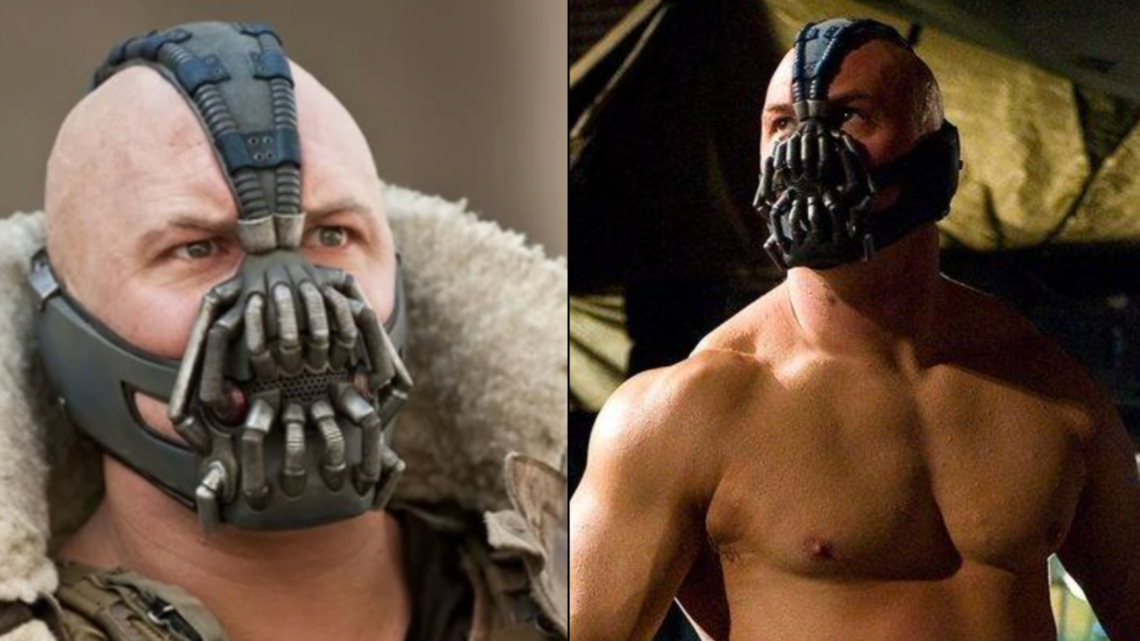
Some performances change how audiences remember a character forever. When Tom Hardy stepped into the role of Bane, he did more than portray a comic-book antagonist. He reshaped expectations of what a modern villain could be. The phrase tom hardy bane quickly became shorthand for intensity, discipline, and a strangely philosophical kind of menace. This portrayal was not about exaggerated evil or simple brutality. It was about control, ideology, and an unsettling calm that lingered long after the film ended.
This article explores how that performance was built, why it resonated so strongly, and how it continues to influence discussions about character-driven blockbusters. From physical transformation to vocal choices and thematic depth, this interpretation of Bane stands as one of the most distinctive villain portrayals in recent cinema.
Tom Hardy Bane and the Anatomy of a Modern Villain
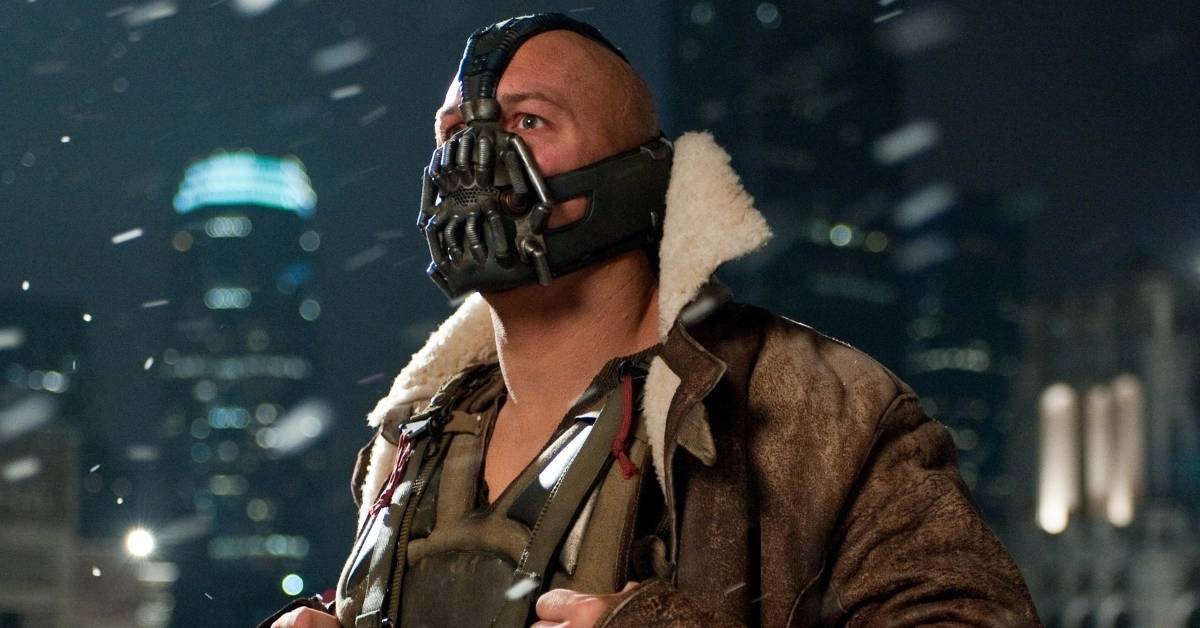
The version of Bane brought to the screen was not designed to be instantly likable or conventionally charismatic. Instead, it was carefully constructed to feel inevitable, almost elemental. tom hardy bane represented an opposing force to Gotham itself, not just its hero.
A villain driven by belief, not chaos
Unlike villains motivated by personal gain or madness, this Bane operated with purpose. His actions were guided by a belief system, one that framed destruction as a form of balance. This ideological grounding made him more unsettling. He was not impulsive. He was patient.
This sense of certainty is what gave the character weight. Every movement and line of dialogue felt intentional, reinforcing the idea that he was executing a plan rather than reacting emotionally.
Calm as a weapon
One of the most striking aspects of the performance was restraint. There was no frantic energy, no theatrical outbursts. Calmness became a weapon. In scenes of confrontation, his stillness contrasted sharply with the chaos around him.
That composure suggested confidence bordering on inevitability. It made resistance feel futile, at least for a time.
The Physical Transformation Behind the Presence
Before a single line was spoken, the character communicated power through posture alone. The physical transformation was not merely about size, but about how that size was used.
Building strength without excess
Rather than aiming for exaggerated bulk, the physique emphasized density and function. The result was a body that looked capable rather than ornamental. Each movement suggested efficiency, as if nothing was wasted.
This physicality supported the narrative. Bane was not meant to look fast or flashy. He was meant to look unstoppable.
Movement as storytelling
The way he walked, stood, and fought conveyed hierarchy. He rarely rushed. Instead, he advanced deliberately, reinforcing his dominance. Even in combat, there was a sense of calculation.
These choices turned action scenes into character moments, where physical behavior revealed psychology.
The Voice That Redefined Threat
Perhaps the most discussed element of the portrayal was the voice. It defied expectations and became central to the character’s identity.
An unexpected vocal choice
Instead of a deep, growling tone, the voice was controlled, articulate, and oddly formal. This contrast created discomfort. The calm delivery of violent intent felt more disturbing than shouting ever could.
The clarity of speech also reinforced intelligence. This was a villain who wanted to be understood, not feared through noise alone.
Dialogue as dominance
Conversations were structured to establish control. He often spoke as if explaining the inevitable, not negotiating it. This rhetorical confidence shifted power dynamics in every scene.
In many ways, language became as important as physical force in asserting authority.
Gotham as a Stage for Ideology
The setting was more than a backdrop. Gotham became a testing ground for ideas about order, control, and societal fragility.
Turning the city into a symbol
Bane’s plan was not random destruction. It was symbolic. By exposing vulnerabilities in systems and institutions, he aimed to prove a point about corruption and illusion.
This approach elevated the conflict beyond personal rivalry. It framed the story as a clash of worldviews rather than a simple battle.
Public spectacle and private control
While much of his strategy involved large-scale spectacle, true control happened quietly. Decisions were made in confined spaces, away from crowds, emphasizing that power does not always need an audience.
This duality added layers to the character’s methods.
Psychological Depth and Emotional Distance
What made the performance memorable was not just strength or intelligence, but emotional distance. Bane was not emotionally expressive, yet he was not empty.
Discipline over emotion
Emotion was present, but contained. Anger, loyalty, and conviction existed beneath the surface. This discipline suggested training and sacrifice, hinting at a past defined by endurance.
The absence of overt emotion made rare moments of intensity more impactful.
A life shaped by survival
Subtle cues suggested a life forged in hardship. Scars, posture, and behavior implied a history of pain transformed into purpose. This backstory, though not fully explained, informed every choice.
It allowed audiences to sense depth without lengthy exposition.
The Hero-Villain Dynamic
A great villain is defined by how they challenge the hero. In this case, the challenge was both physical and philosophical.
Breaking the symbol
Bane’s goal was not simply to defeat Batman physically, but to dismantle what he represented. By exposing limitations and vulnerabilities, he aimed to strip away myth.
This approach reframed conflict. Victory was not about winning a fight, but about reshaping perception.
Control before confrontation
Rather than seeking immediate battle, Bane controlled circumstances. Timing, environment, and public narrative were manipulated to ensure advantage.
This strategic patience reinforced his role as a mastermind rather than a brute.
Cultural Impact and Audience Reception
The portrayal sparked discussion, imitation, and debate. It entered popular culture quickly and remained there.
Redefining expectations
For many viewers, tom hardy bane challenged assumptions about comic-book villains. Intelligence, restraint, and ideological clarity became desirable traits rather than secondary details.
This shift influenced how future antagonists were written and performed.
Memorable without excess
Despite limited screen time compared to some leads, the character left a lasting impression. This impact came from concentration rather than abundance.
Every appearance felt purposeful, ensuring memorability without overexposure.
Influence on Future Performances
The success of this portrayal set a new benchmark. Villains were no longer expected to rely solely on visual spectacle.
Emphasis on character integrity
Subsequent films increasingly emphasized motivation and belief systems. Antagonists were written with clearer philosophies, reflecting lessons learned from this performance.
Depth became an expectation rather than a bonus.
Performance-driven villainy
Actors were given space to interpret villains as full characters rather than obstacles. This approach enriched storytelling across genres.
The ripple effect extended beyond superhero cinema.
Why the Performance Endures
Years later, discussions continue. The character remains a reference point in conversations about effective antagonists.
Timeless themes
Control, ideology, and sacrifice are universal themes. They do not age with technology or trends. The portrayal’s focus on these ideas ensures relevance.
As long as stories explore power and resistance, this interpretation will resonate.
A balance of spectacle and restraint
The performance balanced physical presence with intellectual menace. Neither overshadowed the other. This equilibrium is rare and difficult to achieve.
It is also why the character feels complete rather than exaggerated.
Conclusion
The legacy of tom hardy bane lies in its discipline. Through controlled performance, thoughtful design, and ideological clarity, the character became more than a cinematic threat. He became a study in power and belief.
By prioritizing intention over excess and presence over noise, this portrayal set a standard for modern villains. It proved that true menace does not need constant motion or volume. Sometimes, it only needs conviction, patience, and the certainty of purpose.
FAQs
Why is Tom Hardy’s version of Bane considered unique?
It focuses on restraint, ideology, and calm authority rather than exaggerated rage, making the character feel controlled and deeply unsettling.
What role does the voice play in the character’s impact?
The clear, composed voice contrasts with the character’s physical power, reinforcing intelligence and confidence instead of relying on aggression.
How did the physical transformation shape the performance?
The build emphasized strength and efficiency, supporting the idea of dominance through control rather than speed or flashiness.
Is Bane portrayed as purely evil in this interpretation?
No. He is driven by belief and purpose, which adds psychological depth and moves the character beyond a simple villain stereotype.
Why does this portrayal still resonate with audiences today?
Its themes of power, control, and ideology are timeless, and the performance balances spectacle with thoughtful character work.