In a world increasingly concerned about sustainability, everyday items are being reexamined for their environmental impact. Among these items, the humble paper bag has gained renewed attention. Once seen simply as a disposable carrier for groceries or retail purchases, it has evolved into a symbol of responsible consumption and practical design.
The modern shopper encounters paper bags everywhere: grocery stores, boutiques, bakeries, gift shops, and takeaway counters. Their popularity has grown as governments and consumers look for alternatives to plastic packaging. Yet the story of paper bags is not only about environmental awareness. It is also about innovation, history, and the quiet efficiency of a simple design that has served people for more than a century.
Understanding how paper bags became such an important part of everyday life reveals much about modern commerce, sustainability, and the future of packaging.
The History and Evolution of PaperBag
The concept of carrying goods in paper containers dates back to the nineteenth century. As retail businesses expanded and urban shopping became common, store owners needed practical ways for customers to transport purchases. Early PaperBag were simple envelopes made from thick paper, often glued by hand.
One of the most important developments occurred in the mid-1800s when inventors began designing machines capable of producing paper bags quickly and consistently. These machines transformed bag production from a small craft into an industrial process.
Another breakthrough came when engineers introduced flat-bottom designs. This innovation allowed bags to stand upright and carry heavier items, making them far more useful for grocery stores and general retail.
Over time, improvements in paper quality, folding techniques, and handle attachments created the modern PaperBag we recognize today. Retailers quickly embraced the design because it was affordable, easy to store, and convenient for customers.
What began as a simple packaging solution eventually became an essential part of commercial life.
Industrial Growth and Global Adoption
As industrial manufacturing expanded during the twentieth century, paper bag production grew alongside it. Large factories began producing millions of bags annually, supplying supermarkets, clothing stores, pharmacies, and restaurants.
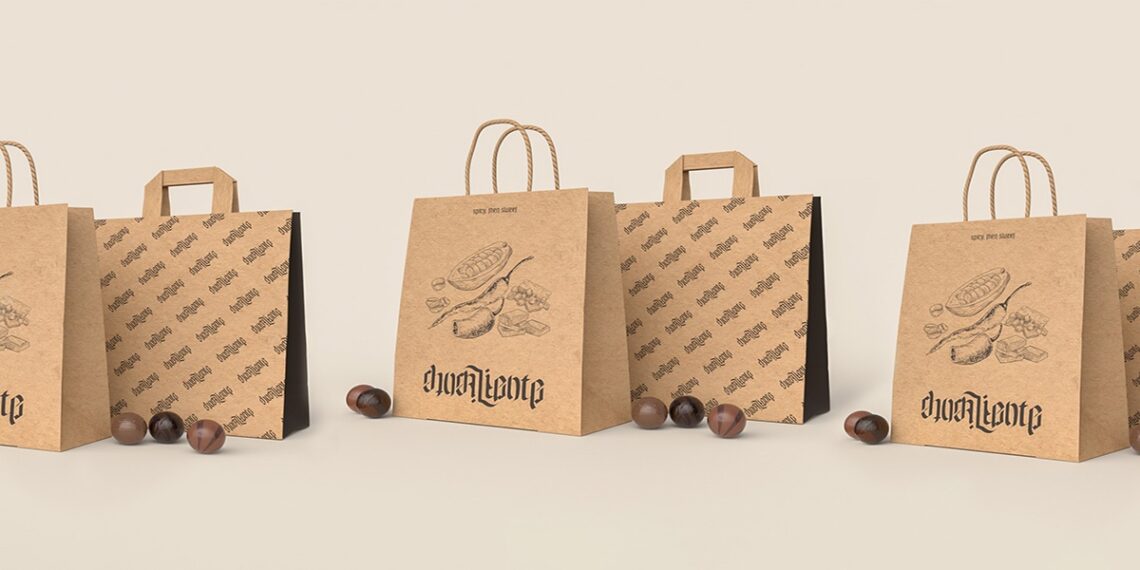
The ability to print logos and branding on bags added another advantage. Retailers discovered that packaging could double as advertising. A customer walking down the street with a store’s bag effectively promoted that brand to everyone around them.
This combination of practicality and marketing value made paper bags a preferred choice for businesses worldwide.
Materials and Manufacturing Process
Paper bags may look simple, but their production involves careful engineering and material selection. Most are made from kraft paper, a strong and durable material created through a chemical process that strengthens wood fibers.
The kraft process produces paper that is flexible yet tough enough to carry groceries, clothing, books, and other everyday items.
From Wood Pulp to Packaging
The journey begins in paper mills where wood chips are processed into pulp. Through chemical treatment and mechanical refinement, the fibers are separated and strengthened. The pulp is then pressed into sheets, dried, and rolled into large paper reels.
These rolls travel to bag manufacturing facilities, where machines cut, fold, and glue the paper into the familiar bag shape. Some bags include reinforced bottoms or twisted paper handles for additional strength.
Automation allows manufacturers to produce thousands of bags per hour while maintaining consistent quality.
Strength and Durability
Despite their lightweight appearance, well-made paper bags can support surprising amounts of weight. The strength comes from the long wood fibers used in kraft paper. When these fibers interlock, they create a material capable of handling significant stress.
This durability makes paper bags suitable for groceries, retail purchases, and even industrial packaging in certain applications.
Environmental Advantages
One of the most significant reasons for the renewed popularity of paper bags is their environmental profile. Compared with many plastic alternatives, paper is derived from renewable resources and decomposes naturally.
Renewable Raw Materials
Most paper used in packaging comes from sustainably managed forests. In these forests, trees are replanted after harvesting, creating a continuous cycle of growth and production.
Responsible forestry practices help ensure that the supply of wood pulp remains stable while protecting ecosystems.
Biodegradability and Recycling
Unlike many plastic products that persist in the environment for decades, paper bags break down relatively quickly. When exposed to natural conditions, the fibers gradually return to the soil.
In addition, paper bags are widely recyclable. Recycling facilities can process used bags into new paper products, reducing the need for fresh raw materials.
These characteristics make paper packaging appealing to environmentally conscious consumers.
Reduced Pollution Risk
Plastic bags often end up in rivers, oceans, and wildlife habitats. Because paper decomposes naturally, it presents less long-term risk to ecosystems.
While no packaging material is entirely impact-free, paper offers a balance between functionality and environmental responsibility.
Practical Uses in Daily Life
The usefulness of paper bags extends far beyond carrying groceries. Their simple design and sturdy structure make them valuable for many everyday tasks.
People use them for organizing household items, storing seasonal decorations, and transporting lunch or snacks. Teachers frequently rely on paper bags for classroom crafts and creative projects.
Small businesses also appreciate the versatility of paper packaging. Bakeries, gift shops, bookstores, and clothing boutiques often choose paper bags because they reflect a natural and thoughtful brand image.
Gift Packaging
One particularly popular use for the PaperBag is gift wrapping. With a bit of tissue paper and ribbon, a plain bag can quickly transform into an elegant gift package.
Because paper surfaces are easy to decorate, many people personalize bags with drawings, stamps, or handwritten notes.
This flexibility makes paper bags ideal for birthdays, holidays, and celebrations.
Storage and Organization
Paper bags also serve as convenient storage containers. Their flat bottoms allow them to stand upright on shelves or in closets.
Some households use large bags to organize recycling materials, while others rely on them for temporary storage when moving or decluttering.
The simplicity of the design often proves surprisingly useful.
Retail Branding and Customer Experience
Packaging plays an important role in shaping how customers perceive a brand. A thoughtfully designed paper bag can create a lasting impression long after a purchase has been made.
Retailers often invest in high-quality printing, distinctive colors, and strong handles to elevate the shopping experience.
A well-crafted bag communicates professionalism and attention to detail.
Walking Advertisements
When customers leave a store carrying branded packaging, they effectively become walking advertisements. People passing by notice the logo, colors, and design.
This visibility can reinforce brand recognition and encourage curiosity from potential new customers.
For many businesses, paper bags are both practical packaging and subtle marketing tools.
Luxury Retail Presentation
In high-end retail environments, packaging becomes part of the product experience. Luxury brands often choose thick paper bags with reinforced handles, embossed logos, and elegant finishes.
The weight and texture of the bag contribute to the feeling of quality and exclusivity.
Customers often keep these bags for reuse, extending the brand’s presence far beyond the store.
Creative and Educational Uses
Beyond retail and household tasks, paper bags have found a place in art and education.
Teachers frequently use them in craft projects because they are easy to cut, fold, and decorate. Children can transform simple bags into puppets, masks, or decorative lanterns.
Artists and designers also experiment with paper bags as creative materials. Collage, sculpture, and mixed-media artwork sometimes incorporate recycled packaging to explore themes of sustainability and consumer culture.
Community and DIY Projects
Community events often use paper bags for lantern walks, charity gift packs, and festival decorations. Because the material is affordable and easy to handle, volunteers can create large quantities of decorative items quickly.
Do-it-yourself enthusiasts appreciate the versatility of paper bags as well. With minimal tools, they can be converted into envelopes, book covers, or protective wrapping for fragile items.
The possibilities are surprisingly wide for such a simple object.
Challenges and Considerations
Although paper bags offer many advantages, they are not without limitations. Understanding these challenges helps businesses and consumers make informed decisions about packaging.
Resource Consumption
Paper production requires water, energy, and raw materials. While forests can be sustainably managed, careless harvesting may harm ecosystems.
Responsible forestry and efficient manufacturing processes are essential to minimize environmental impact.
Durability in Wet Conditions
Paper is naturally vulnerable to moisture. When exposed to water, fibers weaken and may tear under heavy loads.
To address this issue, some manufacturers apply coatings or design reinforced structures that improve resistance to damp conditions.
Even so, paper bags remain best suited for dry goods and indoor environments.
Transportation Efficiency
Because paper bags are generally thicker and heavier than plastic alternatives, transporting large quantities may require more space and fuel.
This factor sometimes complicates logistics for large retailers.
Balancing environmental benefits with transportation efficiency remains an ongoing challenge in the packaging industry.
Innovation and the Future of Paper Packaging
The packaging industry continues to explore ways to improve paper bag performance while reducing environmental impact.
New technologies focus on strengthening paper fibers, improving moisture resistance, and optimizing recycling processes.
Researchers are also developing coatings derived from natural materials that maintain recyclability while adding durability.
Smart Packaging Concepts
Some companies are experimenting with digital printing and interactive packaging designs. QR codes, storytelling graphics, and creative artwork transform ordinary bags into engaging communication tools.
While technology evolves, the fundamental appeal of paper packaging remains rooted in its simplicity.
Circular Economy Goals
Many governments and organizations now promote circular economy principles. These strategies encourage materials to remain in continuous use through recycling, reuse, and responsible manufacturing.
Paper bags fit naturally within this framework because they can be recycled multiple times and eventually return to the environment through natural decomposition.
As sustainability becomes more central to economic planning, paper packaging may play an even greater role.
Conclusion
The paper bag may appear ordinary, yet its story reflects innovation, practicality, and changing attitudes toward environmental responsibility. From its nineteenth-century origins to its modern role in sustainable packaging, it has quietly adapted to the needs of businesses and consumers alike.
Its strength, recyclability, and versatility allow it to serve many purposes, from carrying groceries to enhancing retail branding and inspiring creative projects.
As industries continue to search for responsible packaging solutions, the PaperBag stands as a reminder that simple ideas can endure for generations when they balance usefulness with thoughtful design.
In an era where sustainability and practicality must go hand in hand, the paper bag remains a reliable companion in daily life and a symbol of how small choices can contribute to a more mindful future.