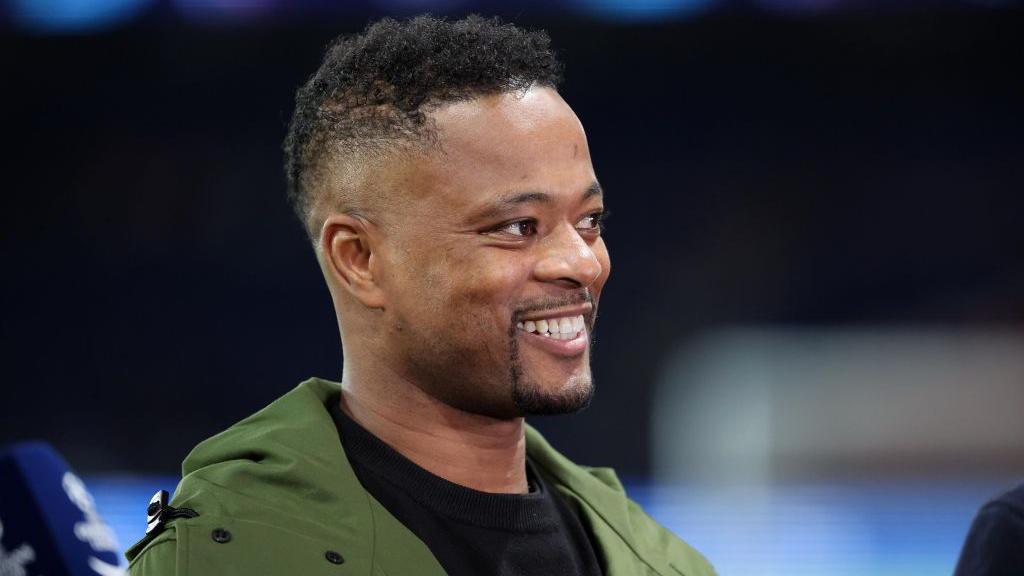
Some football careers are defined purely by trophies and statistics. Others tell a deeper story, shaped by hardship, resilience, and the ability to transform adversity into strength. Patrice Evra belongs firmly in the second category. His journey is not only about success at the highest levels of the game but also about personal evolution, identity, and voice. From difficult beginnings to global recognition, his life reflects the power of persistence and self-belief.
This article explores that journey in depth, focusing on character as much as achievement. It is a story of growth that continues well beyond the final whistle of a professional career.
Patrice Evra and the Roots of Resilience
The foundation of this story lies far from packed stadiums and television cameras. Early life was shaped by instability, responsibility, and the need to mature quickly. Growing up in challenging circumstances meant learning resilience before understanding its name. These formative experiences created an inner toughness that later became visible on the pitch.
Football was not initially a guaranteed path. It was an outlet, a refuge, and eventually a direction. The game offered structure where little existed and reward where effort was constant. Long before fame arrived, discipline and self-motivation were already deeply ingrained.
These early lessons mattered. They shaped a mindset that refused to accept limitations imposed by background or expectation. Instead, ambition was built slowly, through effort and repeated self-challenge.
Learning the Game the Hard Way
Unlike players who move smoothly through elite academies, this journey was uneven and uncertain. Progress required adaptability. Positions changed, roles shifted, and setbacks demanded reinvention. Each adjustment strengthened understanding of the game from multiple angles.
Playing in less visible environments provided valuable lessons. Mistakes were frequent, but so was growth. The absence of comfort zones encouraged learning through experience rather than instruction. Over time, this produced a player with a broad tactical awareness and emotional intelligence.
This period was essential preparation. It forged humility and hunger, qualities that would later become defining traits at the highest level.
Breaking Through and Earning Respect
Recognition did not arrive suddenly. It was earned through consistency and reliability. Once opportunity appeared, it was met with intensity and focus. Performances were not always glamorous, but they were dependable. Coaches trusted what they could rely on.
As confidence grew, so did leadership. Communication improved, presence became stronger, and influence extended beyond individual performance. Respect followed naturally, built on effort rather than entitlement.
At this stage, the player was no longer chasing validation. Instead, he was building credibility, step by step, match by match.
Life at the Highest Level
Competing at the top of world football demands more than talent. It requires mental strength, adaptability, and the ability to handle constant scrutiny. Patrice Evra thrived in this environment by embracing responsibility rather than avoiding it.
High-pressure matches revealed composure and focus. Defensive discipline was balanced with attacking contribution, reflecting a modern understanding of the full-back role. Consistency became a hallmark, making him a fixture in elite squads.
Off the pitch, professionalism mattered just as much. Preparation, recovery, and mindset were treated as seriously as matchday performance. This holistic approach extended longevity and sustained excellence.

Leadership and Voice in the Dressing Room
Leadership does not always come from captains’ armbands or official titles. Often, it emerges through behavior, accountability, and communication. Within team environments, this influence was clear.
Encouragement during difficult moments and honesty during conflict created trust. Younger players found guidance, while peers respected the willingness to speak openly. Leadership was rooted in shared experience rather than hierarchy.
This approach strengthened collective identity. Teams functioned not just as groups of individuals but as connected units with shared standards.
Challenges, Controversy, and Accountability
No long career is without conflict. Public scrutiny, misunderstandings, and controversy tested character in new ways. Responses to these moments revealed complexity rather than perfection.
Mistakes were acknowledged, emotions expressed, and lessons learned. While criticism was unavoidable, it also prompted reflection and growth. Accountability became part of the narrative, reinforcing authenticity rather than diminishing it.
These experiences underscored an important truth: growth often emerges from discomfort. Handling adversity publicly requires courage, especially when opinions are divided.
Beyond the Pitch: Reinvention and Expression
Retirement from professional football can be disorienting. Structure disappears, and identity must be reshaped. For Patrice Evra, this phase became an opportunity for creative expression and personal freedom.
Media appearances, public speaking, and digital platforms offered new ways to connect. Humor, honesty, and vulnerability replaced tactical analysis and match preparation. This openness resonated with audiences who saw more than a former athlete.
Reinvention did not mean abandoning football. Instead, it involved reframing experience into insight and entertainment, blending reflection with personality.
Personal Growth and Emotional Honesty
One of the most striking aspects of post-playing life has been emotional transparency. Discussions around mental health, self-worth, and personal struggle introduced a new dimension to public perception.
Sharing vulnerability challenged traditional notions of masculinity within sport. It encouraged dialogue and normalized conversations often avoided. This honesty transformed influence, shifting it from performance-based admiration to human connection.
Growth became visible not through medals but through self-awareness and empathy.
Cultural Impact and Representation
The broader cultural impact extends beyond individual achievement. Representation matters, particularly for those from underrepresented backgrounds. Visibility at elite levels challenges assumptions and expands possibility.
Through his journey, Patrice Evra has embodied the idea that identity can be complex and evolving. He navigated multiple cultural spaces while remaining authentic. This flexibility enriched both personal narrative and public influence.
Such impact cannot be measured statistically. It lives in inspiration, recognition, and the courage of others to pursue their paths.
Legacy in Football and Beyond
Legacy is not fixed at retirement. It evolves through reflection, contribution, and continued relevance. On the pitch, achievements speak clearly. Off it, influence continues to grow through communication and advocacy.
Mentorship, storytelling, and public engagement extend the reach of experience. Lessons learned through football now apply to broader life contexts, from resilience to teamwork.
Legacy here is multifaceted, combining success with self-expression and responsibility.
Looking Forward
The future remains open and dynamic. New platforms, projects, and conversations await exploration. Curiosity and adaptability suggest that evolution is ongoing rather than complete.
Rather than seeking reinvention for its own sake, focus remains on meaningful engagement. Purpose guides direction, ensuring that growth aligns with values developed over a lifetime.
This forward-looking perspective reinforces the idea that identity is not static. It is shaped continuously by choice and reflection.
Conclusion
The story of Patrice Evra is ultimately about transformation. From early hardship to global recognition, from athlete to public voice, the journey reflects resilience and authenticity. Success is present, but it is not the sole focus.
What endures is character shaped through challenge and growth sustained through honesty. This narrative reminds us that football careers may end, but influence can deepen. In embracing complexity and change, this story continues to inspire well beyond the game.
FAQs
Who is Patrice Evra best known as in football?
Patrice Evra is best known as a dynamic left-back whose career was marked by consistency, leadership, and success at the highest levels of club and international football.
What challenges did Patrice Evra face early in life?
He experienced a difficult upbringing that required early responsibility and resilience, shaping the strong mentality that later defined his professional career.
How did Patrice Evra show leadership on and off the pitch?
His leadership came through communication, accountability, and emotional intelligence, earning trust from teammates and influencing younger players.
What has Patrice Evra focused on after retiring from football?
After retirement, he embraced media, public speaking, and personal expression, using honesty and humor to connect with audiences beyond the sport.
Why is Patrice Evra considered culturally influential?
He is seen as influential for openly sharing his personal struggles, challenging stereotypes in football, and representing resilience and authenticity on a global stage.