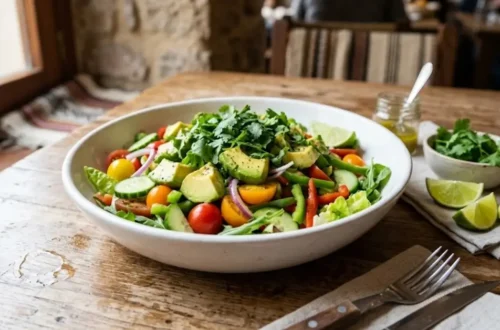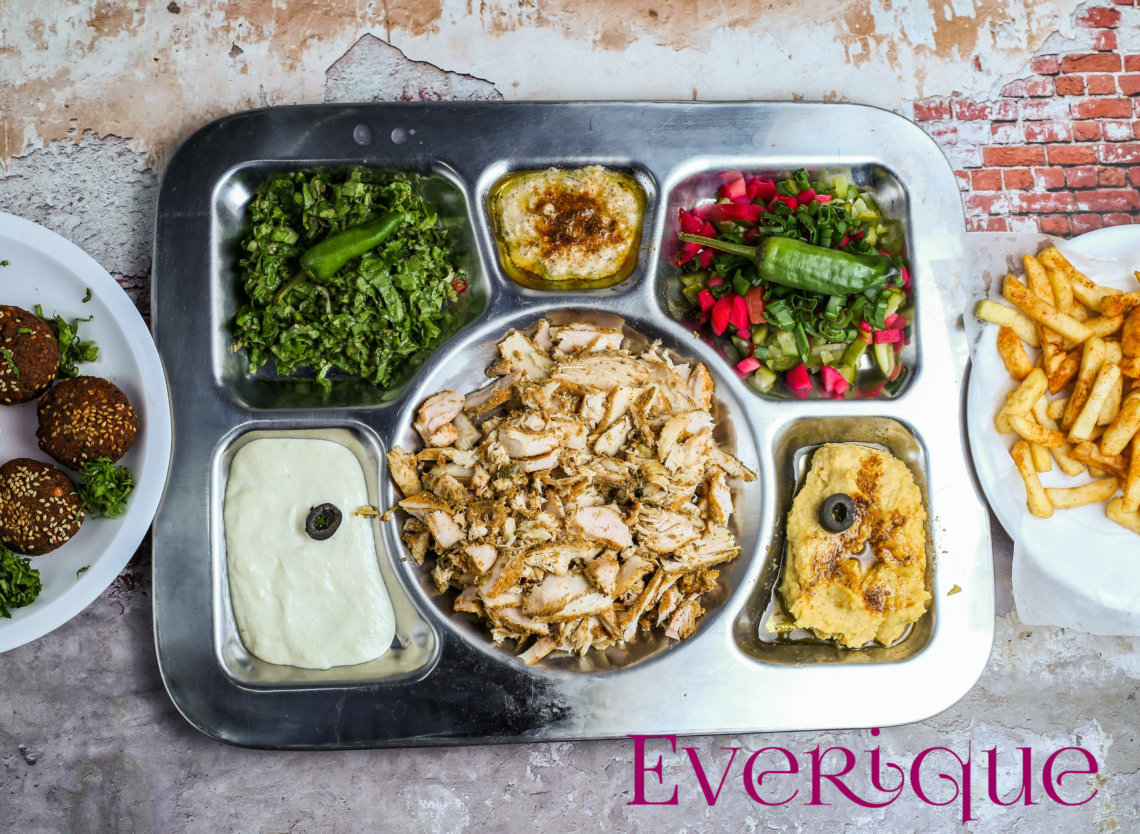
Have you ever been in a new neighborhood, glanced at your phone, typed Food Near Me, and hoped the perfect restaurant would magically appear? It’s something almost everyone does. Sometimes you discover an incredible family-owned café that becomes your favorite place. Other times, you end up paying too much for a meal that looked far better in the photos than it tasted.
Finding a great place to eat isn’t just about satisfying hunger. It’s about the experience. A welcoming atmosphere, friendly service, fresh ingredients, and flavors that leave you thinking about the meal long after you’ve finished all play a part. The good news is that finding excellent food has become easier than ever—if you know what to look for.
Whether you’re traveling, working in a different part of town, or simply tired of eating at the same places every weekend, a little strategy can make all the difference. Instead of settling for the first restaurant that appears on your screen, you can make choices that lead to memorable meals and fewer disappointments.
Food Near Me: More Than Just a Search
When people search for nearby restaurants, they’re usually looking for convenience. But convenience doesn’t always mean quality.
The first few search results are often influenced by factors like popularity, advertising, or proximity. While those things can be helpful, they don’t necessarily guarantee the best dining experience.
A better approach is to think of your search as the beginning rather than the end. The results provide options, but spending an extra few minutes comparing restaurants can dramatically improve your chances of finding somewhere you’ll genuinely enjoy.
Sometimes the hidden gem is only a few blocks farther away than the restaurant at the very top of the list.
Start with Reviews—but Read Them Carefully
Online reviews have changed how people choose restaurants. They offer valuable insights from real customers, but they also require a bit of interpretation.
Instead of looking only at the overall rating, spend a little time reading the recent reviews.
Pay attention to comments about:
- Food quality
- Portion sizes
- Cleanliness
- Staff friendliness
- Waiting times
- Consistency
Patterns matter more than individual opinions.
One unhappy customer doesn’t necessarily mean a restaurant is bad. Likewise, one glowing review doesn’t guarantee an unforgettable meal. When multiple reviewers mention the same strengths—or the same problems—you can usually trust that there’s some truth behind those comments.
Look Beyond Professional Photos
Restaurant photos can be surprisingly persuasive.
Beautiful lighting, perfect plating, and carefully arranged tables make almost any meal look appealing. But professionally taken images only tell part of the story.
Customer-uploaded photos are often far more useful because they show what meals actually look like on a normal day. They’re rarely perfect, and that’s exactly why they’re valuable.
You’ll quickly notice things like portion sizes, presentation, and whether dishes consistently match the menu descriptions.
Sometimes slightly imperfect photos reveal the most honest dining experience.
Consider What You’re Really Hungry For
This might sound obvious, but many people overlook it.
Instead of searching broadly, narrow your focus.
Ask yourself:
- Do I want something quick?
- Am I looking for comfort food?
- Is today a day for healthy eating?
- Am I craving something spicy?
- Would breakfast food actually hit the spot, even though it’s dinner?
Being specific often leads to better recommendations and less scrolling through endless restaurant listings.
Your mood plays a bigger role than you might think.
Explore Local Favorites Instead of Tourist Hotspots
Every city has restaurants that attract visitors and restaurants that locals quietly love.
The difference is often noticeable.
Tourist-focused places usually have larger menus, louder atmospheres, and locations near popular attractions. They’re convenient, but they aren’t always the best representation of local cuisine.
Neighborhood restaurants, on the other hand, often build their reputation through consistent quality rather than flashy marketing.
If you notice a small restaurant packed with locals during lunchtime, that’s usually a promising sign.
Timing Can Change Everything
Even excellent restaurants have busy periods.
A place that provides fast, friendly service on a Tuesday afternoon might feel completely different on a Saturday evening.
If your schedule allows, consider visiting during quieter hours.
Benefits include:
- Faster service
- Fresher conversations with staff
- More comfortable seating
- Less waiting
- A more relaxed atmosphere
Dining isn’t just about the food. The overall experience matters, and timing can significantly influence it.
Don’t Ignore Small Independent Restaurants
Large restaurant chains have their place.
They offer familiarity, predictable menus, and consistent service.
But independent restaurants often provide something chains simply can’t replicate: personality.
Family recipes passed through generations, unique seasonal specials, and owners who genuinely care about every customer create experiences that feel more memorable.
Many of the best meals people remember weren’t eaten at famous restaurants.
They were enjoyed in small places tucked away on quiet streets.
Pay Attention to the Menu
A menu says a lot about a restaurant.
Extremely long menus covering dozens of different cuisines can sometimes be a warning sign. Preparing everything well is difficult.
Smaller menus often indicate greater focus.
Restaurants that specialize in a handful of dishes usually spend more time perfecting them.
Seasonal ingredients are another positive sign. Menus that change throughout the year often reflect freshness and creativity rather than convenience.
Cleanliness Speaks Volumes
The quality of food starts long before it reaches your table.
While customers rarely see the kitchen, they can observe plenty of other details.
Notice:
- Clean tables
- Well-maintained restrooms
- Organized serving areas
- Staff hygiene
- General cleanliness
These small observations often reflect how seriously a restaurant approaches food safety and customer care.
Don’t Chase Trends Alone
Every few months, a restaurant seems to become an overnight sensation.
Long queues form outside. Social media fills with colorful photos. Everyone suddenly wants to eat there.
Sometimes the excitement is justified.
Other times, it’s mostly driven by novelty.
It’s perfectly fine to try trending restaurants, but don’t overlook quieter places simply because they aren’t going viral.
Great food doesn’t always come with thousands of online posts.
Ask Local People
Technology is incredibly useful, but sometimes the best recommendation comes from an actual conversation.
Hotel staff, taxi drivers, shop owners, coworkers, and even friendly strangers often know restaurants that never appear in travel guides.
These recommendations usually come from repeated personal experience rather than internet popularity.
People enjoy sharing their favorite places, especially when they genuinely believe you’ll enjoy them too.
Be Open to Trying Something New
It’s easy to order the same cuisine every time.
Pizza feels safe.
Burgers rarely disappoint.
But occasionally stepping outside your comfort zone can lead to surprisingly enjoyable experiences.
Maybe you’ve never tried Ethiopian food.
Perhaps you’ve overlooked Korean barbecue.
Or maybe that tiny Mediterranean café you’ve walked past dozens of times serves incredible homemade dishes.
Curiosity has a funny way of rewarding adventurous eaters.
Consider Value Instead of Price
Cheap isn’t always good value.
Expensive doesn’t automatically mean high quality.
A better question is whether the experience matches the price.
Would you happily return?
Did the food feel freshly prepared?
Were the portions satisfying?
Did the service leave a positive impression?
Value combines all these elements rather than focusing only on the bill at the end.
Read Between the Reviews
Not every review deserves equal weight.
Extremely emotional reviews—whether positive or negative—sometimes reflect unusual situations.
Balanced reviews tend to be more useful.
They mention both strengths and weaknesses.
For example, someone might say the food was outstanding, but parking was difficult.
Or the desserts were excellent even though service was a little slow.
Those kinds of reviews often feel more trustworthy because they acknowledge reality instead of painting everything as perfect or terrible.
Trust Your Instincts
Sometimes everything looks good online.
The ratings are excellent.
The photos are beautiful.
The menu sounds delicious.
Then you arrive, and something just feels…off.
Maybe the atmosphere doesn’t match your expectations.
Perhaps the restaurant feels neglected.
Or the staff seem overwhelmed.
It’s okay to change your mind.
Dining out should feel enjoyable from the moment you walk through the door.
Your first impression matters more than many people realize.
Make Notes After Great Meals
This habit sounds surprisingly old-fashioned, but it’s incredibly useful.
Whenever you discover a fantastic restaurant, save it somewhere.
Write down:
- Your favorite dish
- What impressed you
- Approximate price
- Parking situation
- Best visiting time
Months later, you’ll appreciate having your own personal dining guide rather than trying to remember where you had that unforgettable pasta or incredible barbecue.
Traveling? Eat Like the Locals
Travel offers one of the best opportunities to discover authentic food.
Instead of searching only around major attractions, spend a little time exploring nearby neighborhoods.
Morning markets.
Family bakeries.
Small noodle shops.
Local cafés.
These places often capture the real flavor of a destination far better than restaurants designed mainly for visitors.
Some of the most memorable travel stories begin with an unexpected meal.
Balance Planning with Spontaneity
Planning helps.
Spontaneity keeps dining exciting.
Researching restaurants before leaving home can save time, especially during weekends or holidays when reservations fill quickly.
At the same time, leaving room for unexpected discoveries makes eating out feel more adventurous.
Perhaps you’ll notice a bakery with fresh bread cooling in the window.
Or hear live music coming from a restaurant around the corner.
Those moments rarely appear in search results, yet they often become the highlights of the day.
The Role of Atmosphere
Food tastes better when the environment feels right.
Soft lighting, comfortable seating, pleasant music, and attentive service all contribute to the overall experience.
Of course, not every meal needs to happen in an elegant dining room. Sometimes the best tacos come from a modest food truck, and the tastiest noodles are served in a tiny shop with only a handful of tables.
Still, atmosphere matters because it shapes how relaxed and welcome you feel. A warm greeting and a comfortable setting can turn a simple meal into something memorable.
Keep Expectations Realistic
No restaurant gets everything right every single time.
A busy evening can mean slower service. A favorite dish might sell out. Even talented chefs have the occasional off day.
Approaching each dining experience with reasonable expectations often leads to greater satisfaction. Instead of searching for perfection, look for places that consistently provide good food, genuine hospitality, and an experience you’d gladly repeat.
After all, memorable restaurants aren’t perfect—they’re dependable.
Conclusion
Finding a great place to eat is part research, part curiosity, and part instinct. The next time you search Food Near Me, think of it as the first step rather than the final answer. Read a few thoughtful reviews, look beyond polished photos, pay attention to local recommendations, and don’t be afraid to wander a little farther than the closest option.
Some of the best meals happen when expectations are low, and curiosity is high. You might stumble upon a cozy café with homemade desserts, a family-run restaurant serving recipes that have been perfected over decades, or a small neighborhood spot that quietly becomes your new favorite.
Good food has a way of bringing people together, creating conversations, and leaving lasting memories. And wherever you happen to be, there’s a good chance that your next unforgettable meal is closer than you think—you just have to be willing to look beyond the obvious choice.
Frequently Asked Questions
1. How can I find the best food near me?
Start by checking recent customer reviews, ratings, and real customer photos. Look for restaurants with consistently positive feedback, a menu that matches your cravings, and a reputation for good service and cleanliness.
2. Are online restaurant reviews reliable?
Online reviews can be helpful, but it’s best to read several recent ones instead of relying only on the overall rating. Look for common themes in customer feedback to get a more accurate picture of the dining experience.
3. Should I choose local restaurants or popular chain restaurants?
Both have their advantages. Chain restaurants offer consistency, while local restaurants often provide unique flavors, homemade recipes, and a more personalized dining experience. If you’re looking for something memorable, local eateries are often worth trying.
4. What should I consider before choosing a restaurant?
Besides location, consider the menu, customer reviews, pricing, cleanliness, waiting times, and the type of cuisine you’re craving. These factors can help you find a restaurant that matches your expectations.