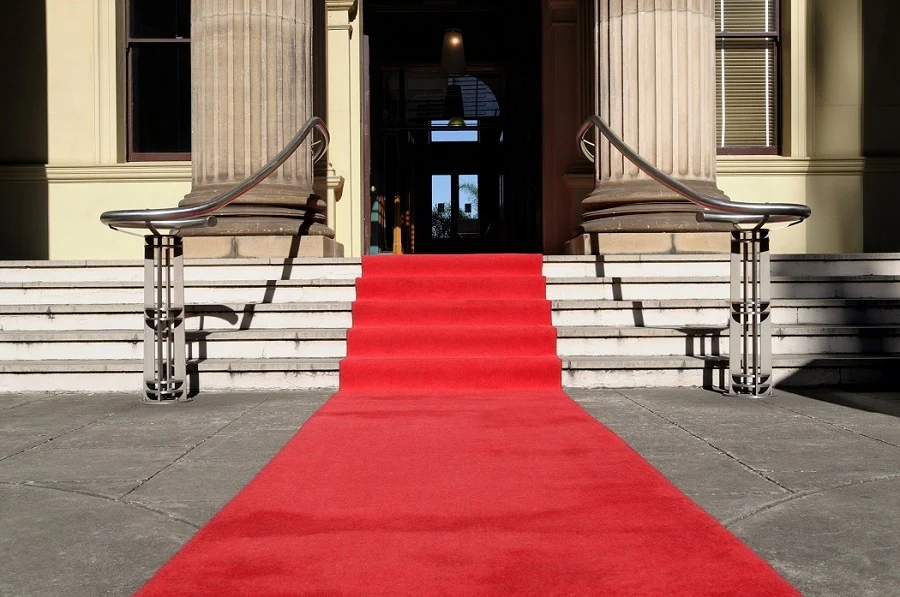
A red carpet usually lasts a few hours. The planning behind it? That starts weeks before the first celebrity even gets in the car. Most people watching an awards show only see the finished product. Someone steps out of a black SUV, waves to the cameras, chats to a few reporters, poses in front of the sponsor wall, then disappears inside the venue. It all looks relaxed. Almost effortless. It isn’t.
Off camera, there’s a surprising amount going on at the same time. Cars are waiting around nearby until they’re told to move. Security teams are watching entrances. Publicists are checking whether their clients are on time. Producers are trying to keep photographers happy while making sure nobody blocks the carpet. One small delay can throw the next ten arrivals off schedule. That’s why nobody really “just turns up.”
Timing Is Everything
Not every celebrity arrives whenever they feel like it. The biggest names are often saved until later because television audiences grow as the show gets closer to starting. Earlier arrivals help warm things up, while the final guests create the moments everyone ends up talking about the next day.
Even then, the schedule changes constantly. Maybe traffic is worse than expected. Maybe an interview runs long. Maybe someone decides to stop and greet fans. Suddenly the next car has to wait another minute or two. It doesn’t sound like much, but when every arrival is only supposed to take a minute or so, those delays add up quickly.
Those Camera Spots Are Already Taken
It looks chaotic watching photographers shout names from behind the barriers. The funny thing is, most of it is organised long before anyone arrives.
Big media outlets are usually assigned specific positions. Camera crews know where they’ll be standing. Photographers know which section they’ll cover. That famous backdrop covered in sponsor logos isn’t there by accident either. Every logo is positioned so it shows up clearly in photos, whether someone is standing close to the wall or several feet away. It’s one of those details nobody notices until it’s done badly.
There Are More People Working Than Walking the Carpet
The celebrities might be the reason people tune in, but they’re heavily outnumbered. There are production crews, makeup artists, stylists, runners, lighting technicians, venue staff, transport teams, security officers, cleaners, media coordinators, emergency services and dozens of people the audience never sees. Most of them are moving around through completely different routes. If everyone used the same entrance, the whole thing would grind to a halt before it even started.
Keeping Everyone Talking
Communication becomes surprisingly difficult once hundreds of people are spread across a venue. Phones aren’t always the quickest option. Someone might not hear it ring. Reception isn’t always reliable. Sending messages back and forth takes time that live events usually don’t have.
That’s one reason temporary communication systems are still common at major productions. Many organisers use two way radio hire so transport teams, security, production managers and backstage staff can speak to each other instantly without relying on mobile networks. Most guests never notice it happening. And that’s the main point.
Security Has Changed
Red carpets have always needed security, but expectations today are much higher than they used to be. Guests check in through different access points. Staff wear different credentials depending on where they’re allowed to go. Equipment is inspected before the event starts, and security teams usually begin working hours before the first arrival.
For larger ceremonies, local authorities are often involved as well. The National Protective Security Authority recommends layered planning and controlled access for crowded public events because managing thousands of people safely takes much more than simply placing barriers around a venue.
Technology Has Quietly Changed Things
A lot of the biggest improvements aren’t obvious. Guest lists update instantly now. Accreditation can be managed digitally instead of on paper. Control rooms can monitor different parts of a venue at the same time, making it easier to react before small problems become bigger ones.
The Event Industry Forum has also highlighted how modern event planning increasingly depends on better communication, safety planning and operational resilience as productions continue to grow in size.
The Best Events Feel Effortless
That’s probably the biggest compliment an event team can get. Nobody leaves an awards show talking about transport schedules or accreditation passes. They remember the dresses. The interviews. The surprise celebrity appearance. The viral photo everyone shared the next morning. All the planning stays invisible. And that’s exactly how the people behind the scenes want it.