If you’ve ever worked with software projects, you probably know that updates can feel both exciting and slightly intimidating. One day everything runs perfectly, and the next day you discover that a newer version promises better performance, stronger security, and additional features.
That’s where the idea of upgrade oxzep7 python comes into the picture. Whether you’re managing a personal project, maintaining an application, or simply trying to keep your development environment current, understanding the upgrade process can save time and prevent unnecessary headaches.
Many developers postpone updates because they worry about compatibility issues. That’s understandable. Nobody wants to break a working system. Still, staying on outdated versions often creates bigger problems in the long run.
This guide explores what upgrade oxzep7 python generally means, how the process works, why updates matter, and how you can approach them with confidence.
Understanding Upgrade Oxzep7 Python
At its core, upgrade oxzep7 python refers to the process of updating a Python-based Oxzep7 environment, application, or framework to a newer and more optimized version.
Software ecosystems evolve constantly. New releases often introduce:
- Better performance
- Security improvements
- Bug fixes
- Additional functionality
- Improved compatibility with modern libraries
Rather than thinking of an upgrade as replacing everything, it’s often better to see it as maintaining the health of your software environment.
Imagine driving a car without ever changing the oil or updating worn-out parts. Eventually, small issues become larger ones. Software behaves much the same way.
Many developers make upgrading a regular habit instead of waiting until problems appear.
How It Works: Key Concepts
Understanding the basics makes the upgrade process much less intimidating.
Checking the Current Version
The first step is always identifying the version currently installed.
Knowing where you are helps determine the safest path toward the latest release.
In many Python environments, version checking becomes a routine maintenance task.
Reviewing Compatibility
Not every update works perfectly with existing libraries.
Dependencies should always be reviewed before upgrading. Some older packages may require updates themselves.
This step is often overlooked, yet it prevents many common installation problems.
Creating a Backup
Experienced developers rarely upgrade without a backup.
Virtual environments, project snapshots, or source control systems provide an easy way to recover if something unexpected happens.
A simple backup can save hours of troubleshooting.
Installing the Update
Once compatibility has been confirmed, the upgrade process usually involves installing the latest package versions and updating project dependencies.
Modern package managers make this relatively straightforward.
Testing Everything
Perhaps the most important step is testing.
Applications should be checked carefully after an upgrade to ensure that features continue working as expected.
Small issues discovered early are much easier to fix than problems found after deployment.
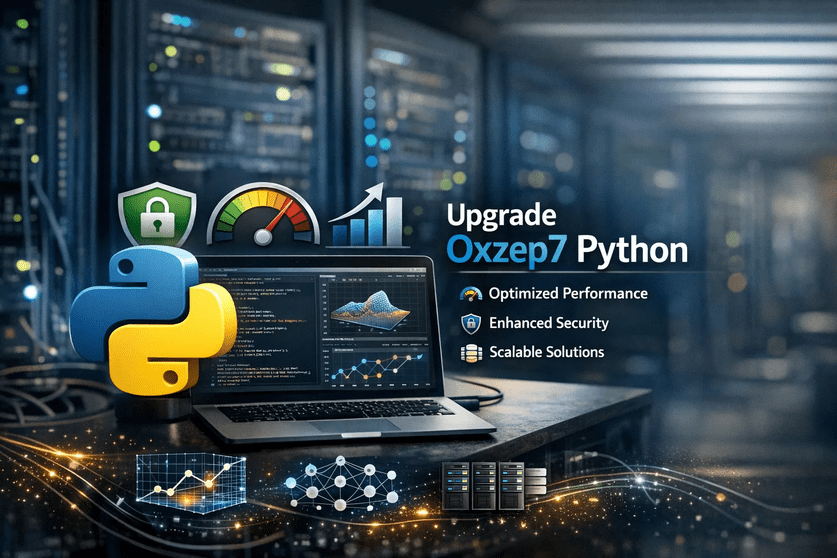
Benefits and Why It Matters
Some people wonder whether updating is really necessary if everything already works.
The answer is usually yes.
Better Security
Software vulnerabilities are discovered regularly. Updates often include important security patches that protect systems from known risks.
Ignoring updates can leave applications exposed.
Improved Performance
Developers constantly optimize their code.
Newer versions may execute tasks faster, consume fewer resources, and improve overall efficiency.
Access to New Features
Programming languages and frameworks evolve.
Upgrading allows developers to use modern tools that simplify coding and reduce development time.
Better Community Support
Most tutorials, documentation, and forums focus on recent versions.
Working with outdated software can make finding solutions much harder.
Long-Term Stability
Ironically, regular small upgrades often create fewer problems than waiting years before performing one major update.
Incremental improvements are usually easier to manage.
Practical Uses and Real-World Applications
Different users approach upgrades differently.
Individual Developers
Freelancers and hobby programmers often update to gain access to new language features and library improvements.
The process keeps personal projects modern and easier to maintain.
Software Teams
Development teams usually establish upgrade schedules to ensure consistency across multiple systems.
This reduces compatibility issues between team members.
Educational Projects
Students learning Python often work with current versions because most learning materials are designed around them.
Using outdated versions can create confusion when following tutorials.
Business Applications
Companies frequently upgrade production systems to improve security and maintain compliance with industry standards.
For many organizations, updates are simply part of responsible software management.
Tips and Best Practices
Upgrading doesn’t have to be stressful.
Use Virtual Environments
Keeping projects isolated prevents one update from affecting unrelated applications.
Many experienced developers consider this essential.
Read Release Notes
A few minutes spent reviewing update documentation can prevent major surprises.
Developers often mention breaking changes before releasing new versions.
Upgrade Gradually
Jumping across several major versions at once increases the chance of compatibility issues.
Smaller steps are usually safer.
Test in a Separate Environment
Never experiment directly on a live production system.
Testing first allows problems to be identified without disrupting users.
Keep Dependencies Updated
Updating the main application while ignoring supporting libraries may create conflicts.
A balanced approach works best.
Common Mistakes and Misconceptions
Even experienced developers occasionally run into trouble.
Skipping Backups
Perhaps the biggest mistake is assuming nothing will go wrong.
Having a recovery plan provides peace of mind.
Updating Without Testing
Installation success does not guarantee application success.
Always verify that everything functions correctly afterward.
Ignoring Dependency Warnings
Package managers often provide useful alerts.
Overlooking these messages can create avoidable problems.
Believing Newer Always Means Perfect
Updates improve software, but occasional bugs still happen.
Careful testing remains important.
Waiting Too Long
Some users avoid updates for years.
Eventually, the gap becomes so large that upgrading becomes much more complicated.
Interesting Facts and Insights
1. Python Receives Regular Improvements
The language continues evolving with performance enhancements and new capabilities.
2. Security Updates Are Often the Biggest Reason to Upgrade
Many updates focus more on safety than new features.
3. Virtual Environments Changed Python Development
They allow multiple projects to use different versions without conflicts.
4. Large Companies Schedule Regular Upgrades
Major organizations often have dedicated maintenance windows for software updates.
5. Community Support Favors Current Versions
Developers usually provide faster help for actively supported releases.
6. Automated Testing Makes Upgrades Safer
Many professional teams rely on automated tests before deploying updates.
7. Small Updates Are Usually Easier Than Major Migrations
Regular maintenance often prevents large-scale technical debt.
FAQs
What does upgrade oxzep7 python mean?
Generally, it refers to updating an Oxzep7 Python-based environment, application, or project to a newer version for better performance and security.
Why should I upgrade my Python environment?
Updates provide bug fixes, security patches, compatibility improvements, and access to modern features.
Can upgrading break existing projects?
It can if compatibility isn’t checked. Backups and testing significantly reduce this risk.
Is it better to upgrade gradually?
Yes. Incremental updates are usually safer and easier to troubleshoot than jumping multiple versions at once.
What is the safest way to perform an upgrade?
Use virtual environments, create backups, review release notes, and test thoroughly before deploying changes.
Conclusion
Keeping software current isn’t always the most exciting task, but it is one of the smartest habits a developer can build. The concept of upgrade oxzep7 python goes beyond simply installing a newer version—it represents maintaining a healthy, secure, and efficient development environment.
Technology changes quickly, and projects that receive regular attention tend to remain more stable over time. By understanding compatibility, creating backups, testing updates carefully, and following good maintenance practices, the upgrade process becomes far less intimidating.
At the end of the day, successful software development isn’t just about writing code. It’s also about taking care of the tools and environments that make that code possible. A thoughtful upgrade strategy today can prevent countless problems tomorrow, making your projects stronger, safer, and much easier to manage.